
Clergy abuse attorneys New York specialize in aiding survivors of religious exploitation by navigating complex legal landscapes, challenging institutions, and securing justice. Key aspects include:
– Understanding power dynamics for effective advocacy.
– Documenting experiences, seeking support, and consulting experienced attorneys.
– Specific legal protections and statutes of limitations in New York State.
– Holding abusers and institutions accountable through lawsuits for compensation.
– Comprehensive guidance on legal processes, education on rights, and systemic change efforts.
– Emphasizing healing and recovery with psychological counseling, safe networks, and documentation support.
In recent years, the issue of clergy abuse has garnered significant attention, highlighting the devastating impact on survivors and the urgent need for justice. New York, as a bustling metropolis, has witnessed its fair share of these tragic cases. Survivors seeking legal recourse often face complex challenges, making it crucial to have dedicated professionals on their side. This is where clergy abuse attorneys in New York play a pivotal role. With specialized knowledge and experience, they empower survivors to navigate the legal system, ensuring their voices are heard and rights protected. By understanding the nuances of these cases, these attorneys provide much-needed support and advocate for change, offering genuine hope and healing for those affected by clerical abuse.
Understanding Clergy Abuse: A Survivor's Perspective

Understanding clergy abuse from a survivor’s perspective is paramount when navigating legal avenues for justice. Many survivors of sexual abuse within religious institutions often face unique challenges due to deeply ingrained cultural and religious dynamics that can obscure the truth and impede accountability. In New York, where there has been significant public discourse on this issue, survivors have increasingly sought the aid of specialized clergy abuse attorneys. These legal professionals are adept at handling cases involving complex web of religious organizations, hierarchical structures, and sensitive personal matters.
A key aspect to understanding clergy abuse is recognizing the power imbalance that often exists between the abuser, the victim, and the institution. This imbalance can lead to survivors feeling silenced or disbelieved, a phenomenon further exacerbated by potential threats of reprisal within the religious community. Clergy abuse attorneys in New York are trained to recognize these dynamics and advocate for survivors’ rights effectively. They employ strategies such as gathering comprehensive evidence, interviewing witnesses, and constructing robust legal narratives that challenge institutional defenses often centered around religious immunity or confidentiality agreements.
For example, a 2020 report by the New York State Attorney General’s Office revealed disturbing patterns of sexual abuse within the Catholic Church over several decades. This exposed the failure of religious leaders to protect vulnerable individuals and highlighted the critical need for survivors to come forward. The report underscored the significance of legal advocacy in holding institutions accountable, a role played by clergy abuse attorneys who have helped numerous survivors secure justice and closure. Survivors are encouraged to document their experiences thoroughly, seek support from trusted allies, and consult with experienced attorneys who can guide them through complex legal processes while prioritizing their emotional well-being.
Legal Rights for Survivors: New York State Laws

In New York State, survivors of clergy abuse have specific legal rights and recourse. The state has established laws to protect individuals who have experienced sexual or physical misconduct at the hands of religious leaders. These laws not only recognize the harm inflicted but also provide a framework for accountability and justice. One crucial aspect is that survivors can take legal action against institutions, such as churches or religious organizations, for their failure to protect them. This includes holding clergy members accountable and seeking compensation for the trauma suffered.
New York’s legal system offers several avenues for abuse survivors. For instance, the state has a statute of limitations for civil lawsuits related to sexual assault, which allows individuals up to 20 years from the age of majority (18) to file a claim. This is particularly relevant when dealing with clergy abuse, where victims may not come forward immediately due to fear or shame. Additionally, New York law provides for confidentiality in certain cases, ensuring that survivors’ personal information remains protected during legal proceedings. Clergy abuse attorneys in New York specialize in navigating these complex laws and advocate for the rights of survivors, offering much-needed support and guidance.
Survivors should be aware of their right to seek damages for emotional distress, physical injuries, and economic losses incurred as a result of the abuse. These claims can be filed against both the perpetrator and the institution responsible for oversight. It is essential for survivors to document all interactions with legal professionals and relevant authorities to build a strong case. By engaging experienced clergy abuse attorneys in New York, survivors can navigate the legal process effectively, ensuring their rights are protected and they receive the justice they deserve. This specialized legal advocacy plays a vital role in holding abusers accountable and fostering a culture of transparency within religious communities.
Finding Justice: Steps to Sue in New York

For survivors of clergy abuse seeking justice in New York, understanding the legal process is a vital step towards healing and accountability. The state’s laws offer specific protections and avenues for those who have suffered sexual or emotional misconduct at the hands of religious leaders. One crucial aspect of this journey is knowing how to sue in New York, which involves a strategic and well-timed approach.
In New York, survivors can pursue legal action against the abuser, the institution they represented, or both. This process often requires the expertise of clergy abuse attorneys who specialize in these complex cases. Key steps include gathering evidence, such as medical records, personal statements, and any available documentation from the religious organization. The statute of limitations for civil lawsuits related to sexual assault in New York is three years from the time the victim turns 18, highlighting the importance of prompt action.
A successful lawsuit aims to secure compensation for the survivor’s physical and emotional injuries, as well as punitive damages against the responsible parties. Clergy abuse attorneys in New York play a pivotal role in guiding survivors through this process, ensuring their rights are protected. Past cases have resulted in substantial settlements, sending a clear message that such misconduct will not be tolerated. For instance, several churches and religious organizations have been held accountable for failing to protect their members, leading to significant legal consequences.
The Role of clergy abuse attorneys New York in Support

The clergy abuse attorneys New York play a pivotal role in providing support to survivors of clerical abuse, offering much-needed legal assistance and advocacy. These specialized attorneys have an in-depth understanding of the unique challenges faced by victims, who often struggle with trauma, guilt, and fear when coming forward. Their expertise lies not only in navigating complex legal systems but also in empathizing with survivors’ emotional and psychological needs. Through sensitive handling of cases, these attorneys ensure that clients receive justice while fostering a safe environment for them to share their experiences.
One of the primary tasks of clergy abuse attorneys New York is to educate survivors about their rights and options. They guide victims through the legal process, from reporting the abuse to pressing charges or seeking compensation. These lawyers also help in document collection, evidence gathering, and preparing legal strategies tailored to each client’s specific circumstances. For instance, they might represent individuals who suffered emotional distress, physical harm, or financial exploitation at the hands of religious leaders. By employing strategic litigation and negotiation tactics, clergy abuse attorneys New York strive to hold accountable those who have exploited their positions of power within religious institutions.
Moreover, these attorneys contribute to systemic change by advocating for policies that prevent future abuses. They collaborate with survivor support groups, community organizations, and policymakers to raise awareness about the prevalence of clerical abuse and push for legislative reforms. By sharing their expertise in courtrooms and policy forums, clergy abuse attorneys New York help shape a landscape where survivors’ voices are heard and their rights are protected. Their dedication ensures that victims receive the support and justice they deserve while fostering a culture of accountability within religious communities.
Healing and Recovery: Resources for Survivors in NY
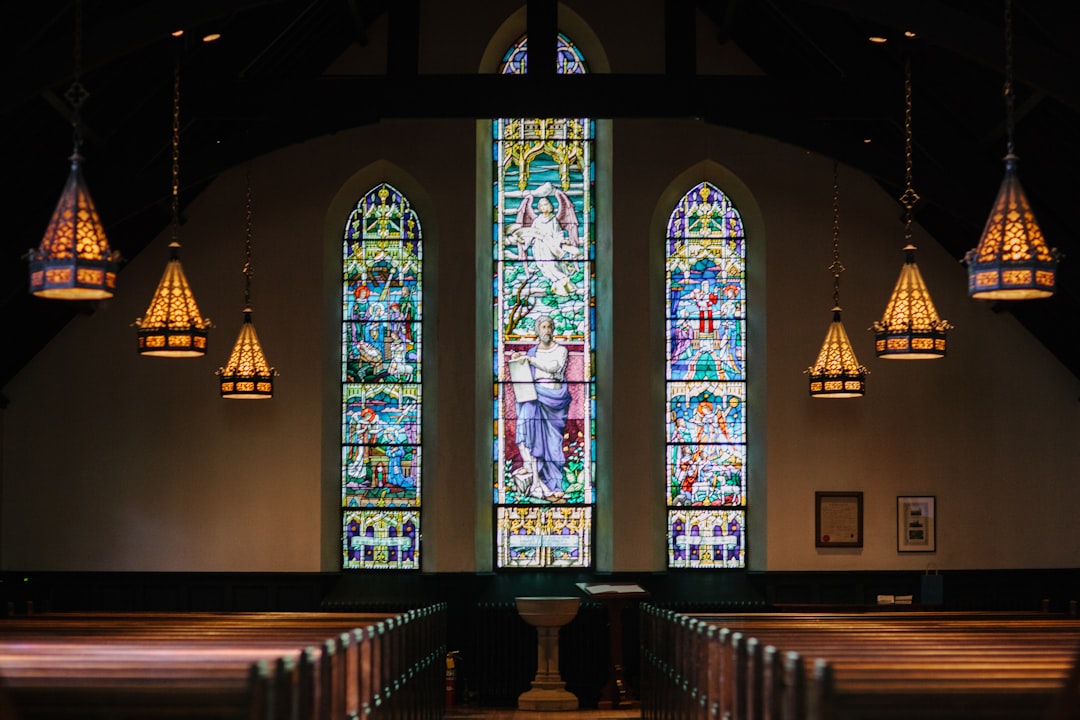
In the wake of clergy abuse, survivors in New York require accessible and comprehensive resources for healing and recovery. The state’s legal landscape offers specific protections and avenues for accountability, but navigating these can be daunting. Clergy abuse attorneys in New York play a vital role in empowering survivors to pursue justice and reclaim their lives. These experts guide clients through complex legal procedures, ensuring they receive the support and compensation they deserve.
Healing and recovery are multifaceted processes that extend beyond legal redress. Survivors often need psychological counseling, safe spaces for sharing experiences, and community support networks. New York-based organizations specialize in providing these services, fostering a sense of belonging and understanding among individuals affected by clergy abuse. For instance, the New York State Victim Assistance Program offers confidential counseling, legal aid, and advocacy to survivors of various types of abuse, including instances within religious institutions.
Practical steps towards recovery include documenting experiences thoroughly, preserving relevant evidence, and seeking professional advice promptly. Survivors are encouraged to reach out to clergy abuse attorneys in New York who can offer strategic guidance tailored to their unique circumstances. By combining legal expertise with compassionate advocacy, these attorneys facilitate access to justice and support systems, enabling survivors to embark on a path of healing and personal growth.